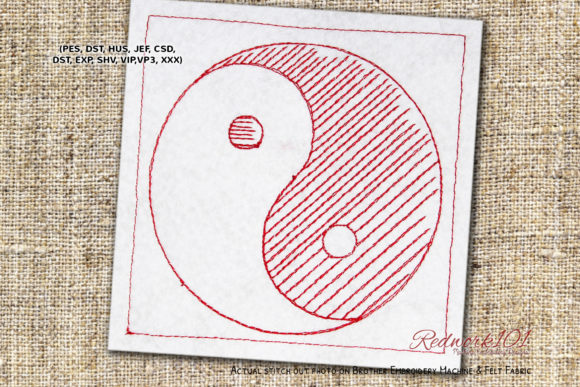
Yin and Yang Embroidery Design Review
As an experienced embroidery designer, I've reviewed countless machine embroidery designs for craft fairs and handmade markets. The Yin and Yang design caught my attention immediately with its balance of symbolism and visual appeal. This Religion-themed Embroidery design has the potential to be a standout piece in your booth if executed correctly.
First Impressions: A Symbol of Balance
The Yin and Yang design feels both elegant and symbolic. It's not overly cute or rustic, but rather modern and minimalist with a touch of decorative flair. The title alone suggests harmony and duality, which can resonate well with a wide audience. The mention of the Box Stitch being optional gives flexibility, though it's important to note that the outer box color is typically different from the rest of the design unless it's part of the motif itself.
Performance on Various Craft Fair Products
The Yin and Yang design works well across multiple craft fair products. On tote bags, it adds a subtle yet meaningful accent that draws the eye without overwhelming the fabric. On aprons, it can serve as a focal point, especially if placed near the waistband or pocket area. For tea towel embroidery, the design maintains clarity even on textured fabrics, making it ideal for kitchen-themed handmade products.
Embroidered patches featuring Yin and Yang would be great for caps, small pouches, and pillow covers. The design is versatile enough to work as a small accent on market bags or as a bold statement on larger items like handmade gifts. When creating printable mockups for Etsy listings, this design photographs well due to its high contrast and clear lines.
Selling Points and Production Considerations
One of the strongest selling points of Yin and Yang is its instant recognizability. Customers can understand the design at a glance, which is crucial for small shop products and craft fair product displays. As a large focal design, it stands out beautifully on items like tote bags and pillow covers. However, when downsizing for smaller items like embroidered patches or cap accents, it's essential to ensure the details remain clear and the stitch density doesn't become too dense.
For batch production, the design's simplicity allows for repeatable results, which is key for commercial embroidery. The digital embroidery file should be tested on scrap fabric first to confirm thread contrast, spacing, and hoop size. Using the right stabilizer will help maintain the integrity of the design, especially on thick or textured towels.
Careful-Use Notes for Embroidery Designers
While Yin and Yang is a strong design, there are a few areas to consider carefully. Dense stitch areas could cause puckering on delicate fabrics, so it's best to avoid them on thin materials. Tiny details within the design may lose clarity at smaller sizes, so always compare fabric colors before finalizing the finished product.
Curved cap surfaces might challenge the placement of the design, so testing on actual caps is recommended. Dark fabric can also affect the visibility of the design, so selecting the right thread colors is essential. Always check the stitch density and adjust as needed for each fabric type.
Visual Appeal and Booth Display Strength
The Yin and Yang design enhances the visual appeal of any product it adorns. Its balanced composition makes it a natural fit for boutique makers looking to add depth and meaning to their handmade product range. When displayed in a booth, this design can attract attention and spark conversations, especially when paired with thoughtful packaging and branding.
For Etsy sellers, including a printable mockup of the Yin and Yang design on various products can boost buyer engagement and help customers visualize how the design will look on different items. This increases the chances of conversion and helps maintain brand consistency across all design assets.
Practical Embroidery Designer Notes
Before producing Yin and Yang for sale, take the time to test the design on scrap fabric. Check thread contrast against different fabric colors to ensure the design remains visible and vibrant. Review spacing and stitch density to prevent overcrowding, and confirm the correct hoop size for your machine.
Inspect the embroidery file thoroughly for any inconsistencies. Use the right stabilizer based on the fabric texture, and create at least one real mockup to see how the design looks in person. Finally, make sure you have the proper commercial licensing before selling finished products to avoid any legal issues.
With careful planning and attention to detail, Yin and Yang can become a valuable addition to your craft fair product lineup. Whether used on tote bags, aprons, or handmade gifts, this design offers a unique blend of symbolism and style that can elevate your handmade product offerings and attract a diverse customer base.